
That click in your jaw when you yawn. The morning ache along your cheekbone. The feeling that your mouth won't open as wide as it used to. If you've written these off as stress or getting older, you're not alone — but you may be sitting on an undiagnosed TMJ disorder.
Temporomandibular joint (TMJ) disorder is one of the most commonly underreported dental problems — and one of the most treatable, especially when caught early. Here's what patients across Orange and Anaheim need to know.
What Is the TMJ — and What Goes Wrong?
Your temporomandibular joints sit just in front of each ear, connecting your lower jaw (mandible) to your skull. These joints work constantly — every bite, every word, every yawn. They're a combination of a hinge and a sliding joint, cushioned by a small disc of cartilage.
TMJ disorder (also called TMD) happens when this system is disrupted. The disc can slip out of position. The joint surfaces can wear unevenly. The surrounding muscles can become overworked and inflamed. The result is pain, stiffness, and mechanical symptoms like clicking or locking.
TMJ disorder is not the same as bruxism (teeth grinding), though the two often overlap. You can grind your teeth without having TMJ disorder, and you can have TMJ disorder without being a grinder. Think of bruxism as the habit and TMJ disorder as what happens to the joint itself when overload or misalignment continues unchecked.
Common Symptoms to Watch For
TMJ disorder shows up differently for different patients. The most common signs include:
- Jaw clicking, popping, or grating — often painless at first, but can worsen over time
- Facial pain or soreness, especially in the jaw muscles just in front of the ears
- Limited mouth opening — difficulty opening wide for a yawn, a big bite, or a dental appointment
- Jaw locking — either stuck open or stuck closed, even briefly
- Persistent headaches that feel tension-related but don't respond to usual remedies
- Ear symptoms — stuffiness, mild ringing, or pain with no ear-canal cause
- Neck and shoulder tension that seems to radiate up from the jaw
Symptoms often fluctuate — worse during stressful periods, after prolonged chewing, or on waking in the morning.
Why It Happens: Common Causes
There's rarely one single cause of TMJ disorder. Most cases involve a combination of factors:
Jaw Overload
Bruxism, clenching during sleep or stress, and nail-biting all put repeated force on the joint far beyond normal function. Over months and years, this wears on the disc and surrounding tissue.
Bite Problems (Malocclusion)
When upper and lower teeth don't meet evenly, the jaw compensates with uneven muscle effort. That imbalance gradually strains the joint.
Injury
A blow to the jaw, face, or head — even an old one — can shift the disc or alter joint mechanics in ways that show up years later.
Hypermobility and Arthritis
Some patients' joints are inherently more flexible, increasing the chance of disc displacement. Both osteoarthritis and rheumatoid arthritis can also affect the TMJ, more often in older patients.
How TMJ Disorder Is Diagnosed
At Goodday Dental Care, a TMJ evaluation starts with a conversation: when your symptoms began, what makes them worse or better, and any recent changes in stress or bite. Dr. Elies Kim then examines jaw range of motion, palpates the muscles along the jaw and temples, and listens and feels for joint noises during movement.
Dental X-rays and, when needed, CBCT 3D imaging give a detailed look at the joint surfaces and bone structure. CBCT is particularly useful for ruling out arthritic changes and getting a fuller picture of the anatomy than traditional X-rays provide. If soft-tissue disc imaging is needed, Dr. Kim can coordinate a specialist referral for MRI.
Treatment Options: From Simple to Specialized
The good news: the vast majority of TMJ disorder responds well to conservative treatment. Surgery is rarely needed and is typically a last resort only after other approaches have been fully explored.
Night Guard / Occlusal Splint
A custom-fitted hard acrylic guard worn at night is the most common first-line treatment. It repositions the jaw slightly, reduces clenching forces, and gives the joint muscles a chance to recover. This differs meaningfully from a soft over-the-counter boil-and-bite guard — the fit and jaw position matter.
Physical Therapy and Jaw Exercises
Gentle stretching, ultrasound therapy, and myofascial release reduce muscle tension and improve range of motion. Many patients see real improvement within six to eight weeks.
Medications
Short-term anti-inflammatories, muscle relaxants, or a topical cream can calm acute flares. These manage symptoms, not causes, so they're typically combined with other treatments.
Botox for TMJ Muscle Pain
Botulinum toxin injections into the masseter (jaw) and temporalis muscles have become a well-supported option for patients with significant muscle-driven pain. Botox relaxes overactive muscles without affecting normal jaw movement. Effects last three to four months; many patients need only one or two treatment cycles before symptoms stabilize.
Bite Adjustment
In some cases, selectively recontouring specific teeth or adjusting a dental restoration eliminates a bite interference that has been stressing the joint for months or years.
When to See a Dentist About Jaw Pain
Don't wait for symptoms to become severe. These situations warrant a prompt evaluation:
- Your jaw has locked open or closed, even once
- Clicking or pain is getting worse rather than staying the same
- You're having headaches more than twice a week
- Your bite feels different than it used to
Caught early, TMJ disorder is far easier to manage. Left untreated, disc damage and joint wear can become more permanent and require more involved intervention.
Schedule a TMJ Evaluation at Goodday Dental Care
Whether you're near our Orange location on E Lincoln Ave or our Anaheim office on W Lincoln Ave, Dr. Elies Kim can evaluate your jaw symptoms and build a treatment plan that fits your life.
Call our Orange office at (657) 282-0078 or our Anaheim office at (714) 229-8553 to book a consultation. New patients are always welcome at both locations.
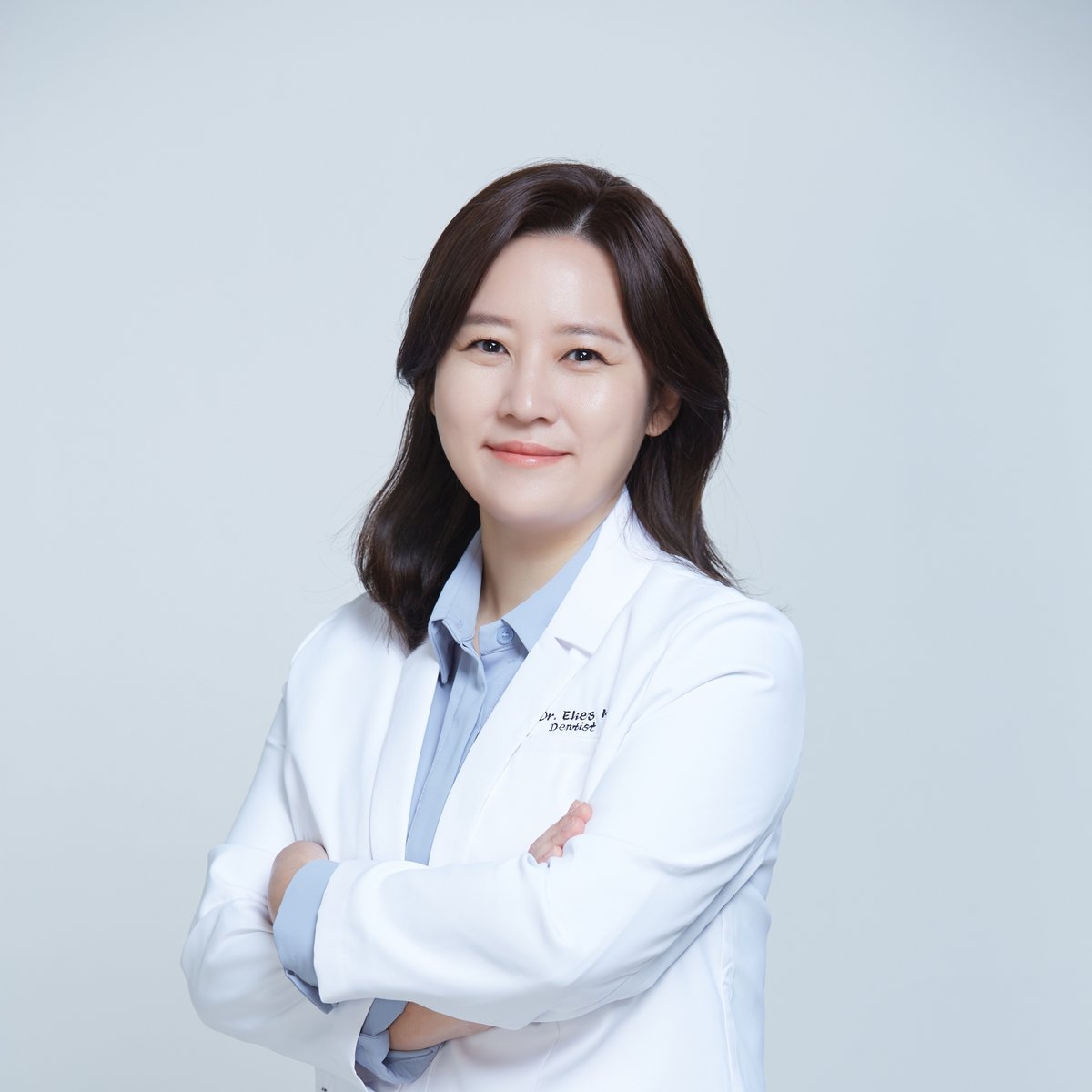
Written by Dr. Elies Kim, DDS — UCLA School of Dentistry (DDS), UC San Diego (MS). Junior faculty for implant seminars with Biotem and the Cando implant course.
Visit Goodday Dental Care
Comprehensive dental care at our Orange and Anaheim offices. New patients welcome.
Call Orange (657) 282-0078 Call Anaheim (714) 229-8553