
Teeth Grinding: What Orange County Patients Need to Know
Many people clench and grind their teeth without ever realizing it — most of the damage happens during sleep. If you wake up with a sore jaw, dull headaches behind your temples, or teeth that feel mysteriously sensitive, you may be experiencing bruxism. It's one of the most commonly underdiagnosed conditions we see at Goodday Dental Care, and it can quietly accumulate serious damage over months and years before patients connect the dots.
Here's what every Orange County patient should know.
What Is Bruxism?
Bruxism is the clinical term for unconscious teeth grinding or jaw clenching. It comes in two forms:
- Sleep bruxism — grinding during sleep, usually without any awareness. Many people only find out when a partner notices the sound, or a dentist spots the characteristic wear patterns during a routine exam.
- Awake bruxism — clenching (rather than grinding) during waking hours, often during stress, deep concentration, or tension.
Both types generate excessive force on teeth and surrounding structures — far beyond what normal chewing places on your jaw.
What Causes Teeth Grinding?
Bruxism is rarely caused by a single factor. Most cases involve a combination:
- Stress and anxiety: The most common trigger. Many patients notice grinding worsens during demanding periods at work, school, or home.
- Sleep disorders: Sleep bruxism is closely linked to sleep apnea and disrupted sleep cycles. The brain's arousal responses during light sleep can trigger jaw clenching.
- Bite misalignment: When upper and lower teeth don't meet naturally, the jaw may unconsciously search for a comfortable resting position — and grinding is often the result.
- Caffeine and alcohol: Both increase nighttime grinding frequency, especially when consumed in the hours before bed.
- Certain medications: Some antidepressants (particularly SSRIs) and stimulants are associated with elevated bruxism risk.
- Genetics: If a parent had bruxism, your likelihood of having it is higher.
Identifying the root cause matters because it shapes the most effective treatment approach.
How Bruxism Damages Your Teeth
The force of grinding can be extraordinary — in some patients, up to ten times greater than normal chewing load. Over months and years, that force causes:
Enamel Wear
Enamel is the hardest substance in your body, but it doesn't regenerate. Grinding gradually flattens and shortens teeth, eventually exposing the softer dentin beneath. Once dentin is exposed, teeth become sensitive — and the damage accelerates because dentin wears far faster than enamel.
Cracking and Fracture
Repeated lateral grinding forces create stress lines in teeth that can become cracks. Some crack all the way into the root, requiring a crown, root canal, or even extraction — depending on how deep the fracture runs and how long it's gone unnoticed.
TMJ and Jaw Pain
The temporomandibular joint (TMJ) absorbs the impact of every grinding cycle. Chronic bruxism inflames this joint, producing pain that radiates into the face, neck, and ears. Many patients mistake TMJ pain for sinus pressure or recurring earaches.
Gum Recession
Excessive pressure at the gumline can loosen connective tissue and accelerate gum recession. As gums pull back, the root surfaces of teeth become exposed — increasing sensitivity and vulnerability to decay in areas that enamel never protected.
Signs You Might Be Grinding
Because sleep bruxism is unconscious, most people need to look for indirect clues:
- Waking up with jaw soreness or stiffness
- Morning headaches, particularly behind the temples
- Teeth that look flatter or shorter in the mirror
- Chipped edges or cracked teeth with no obvious cause
- Increased sensitivity to cold or hot temperatures
- Disrupted sleep, or a partner reporting grinding sounds at night
At your regular checkup, your dentist also looks for wear patterns and bite changes that you wouldn't notice on your own — which is one of many reasons that consistent visits to a dentist in Orange, CA or Anaheim matter, even when nothing feels wrong.
Treatment Options
Bruxism is very manageable when caught early. Treatment is matched to severity and the underlying causes:
Custom Night Guards
A custom-fitted night guard (occlusal splint) is the first-line solution for most patients. Worn during sleep, it creates a cushion that redirects grinding force away from tooth surfaces. A guard made by your dentist fits precisely — unlike store-bought boil-and-bite versions — and typically lasts several years with proper care.
Stress Management
When stress is the dominant driver, targeted strategies like progressive muscle relaxation, mindfulness practice, and physical therapy for jaw and neck tension can substantially reduce grinding intensity.
Treating Underlying Sleep Issues
When bruxism is linked to sleep apnea or other sleep-disordered breathing, addressing the sleep condition often reduces grinding significantly. Your dentist can help determine whether a sleep medicine referral makes sense.
Dental Rehabilitation
For patients with significant enamel wear, cracks, or fractures, restorative work — crowns, bonding, or veneers — can rebuild tooth surfaces. This step comes after the bruxism is controlled; restoring teeth while grinding continues simply damages the new work.
Botox for Severe Clenching
In cases where the masseter (chewing) muscles are overdeveloped from chronic clenching, small injections of neuromodulator into the muscle belly can significantly reduce clenching force. Effects last several months and can be repeated as needed.
Don't Wait for a Cracked Tooth
Bruxism-related damage is almost entirely preventable with early intervention — but it rarely announces itself until something breaks. If you've noticed any of the symptoms above, the most valuable step you can take is to bring it up at your next appointment.
At Goodday Dental Care, Dr. Elies Kim evaluates and treats bruxism at both our Orange office (657-282-0078, 1518 E Lincoln Ave) and our Anaheim office (714-229-8553, 2795 W Lincoln Ave Ste D). A custom night guard can typically be delivered within one to two visits — a small investment that protects your enamel for years. Call us at either location to schedule an evaluation, or mention it at your next checkup. Your teeth will thank you.
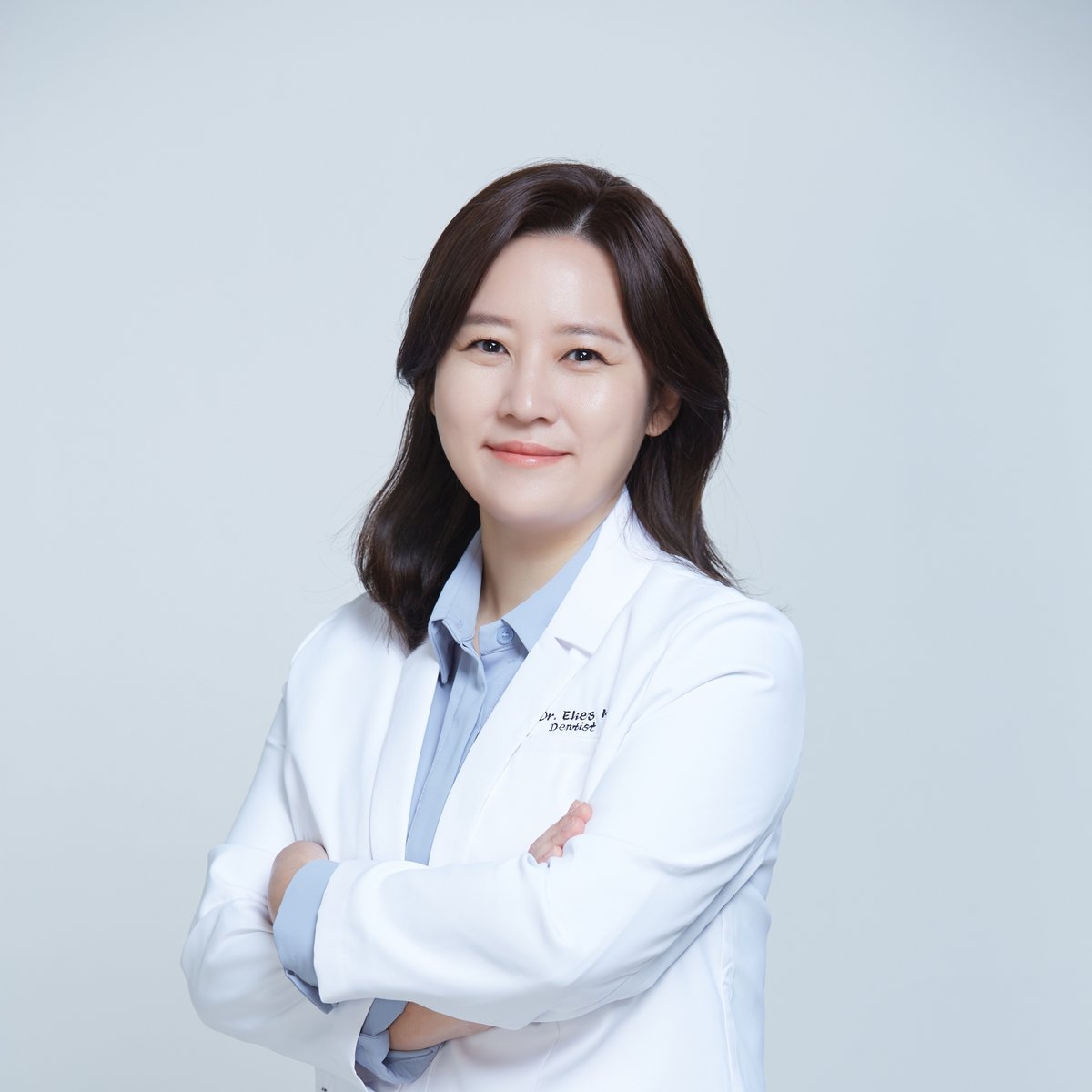
Written by Dr. Elies Kim, DDS — UCLA School of Dentistry (DDS), UC San Diego (MS). Junior faculty for implant seminars with Biotem and the Cando implant course.
Visit Goodday Dental Care
Comprehensive dental care at our Orange and Anaheim offices. New patients welcome.
Call Orange (657) 282-0078 Call Anaheim (714) 229-8553