
Your dentures fit well when they were made — but somewhere along the way, things changed. They shift during meals. They click when you speak. You've started avoiding certain foods, and social situations have become something to manage rather than enjoy.
Full dental implants are often the right answer, but the cost, the number of procedures, and the healing time can feel overwhelming. What if there were a middle ground?
There is. Implant-supported dentures — also called implant-retained overdentures — offer the stability of implants without the full commitment of a fixed arch restoration. For many patients in Orange County, they represent the bridge between conventional dentures and a complete implant solution.
What Are Implant-Supported Dentures?
Implant-supported dentures are removable dentures that snap or clip onto a small number of dental implants placed in the jawbone. Unlike conventional dentures that rely on suction, adhesive, and the shape of your gum tissue, these stay firmly in place all day — and come out at night for cleaning.
The most common systems use:
- Ball (stud) attachments — each implant has a small ball on top; the denture has corresponding sockets that click into place
- Bar-retained attachments — a custom bar connects 2–4 implants; the denture clips onto the bar for even more stability
For the lower jaw (where conventional dentures are most problematic), as few as two implants can anchor a denture securely. The upper arch typically requires four.
How They Compare to Other Tooth-Replacement Options
It helps to understand the full spectrum:
| Option | Fixed? | Implants Needed | Relative Cost |
|---|---|---|---|
| Conventional denture | No | 0 | Lowest |
| Implant-supported overdenture | Removable but stable | 2–4 | Moderate |
| All-on-4 implants | Fixed/permanent | 4–6 | Higher |
| Full individual implants | Fixed/permanent | 6–8+ | Highest |
If you've read our post on All-on-4 dental implants, you know that treatment is designed for patients who want a completely fixed restoration they never remove. Implant-supported overdentures serve a different patient: someone who wants dramatically more stability than conventional dentures provide, at a lower cost and complexity than a fully fixed solution.
Who Is a Good Candidate?
Implant-supported dentures are worth exploring if you:
- Currently wear full conventional dentures and struggle with fit, slippage, or limited chewing
- Have lost most or all teeth in one or both arches
- Want to slow the jaw bone loss that accelerates with conventional dentures
- Are looking for a more affordable entry point into implant dentistry
- Have enough bone density to support 2–4 implants, or are open to a bone graft if needed
Patients with significant bone loss aren't automatically disqualified. A CBCT 3D scan — available at both our Orange and Anaheim offices — gives Dr. Elies Kim a precise picture of available bone volume. In many cases, a targeted bone graft can make candidacy possible where it wouldn't otherwise be.
What the Treatment Process Looks Like
Step 1: Consultation and imaging. Dr. Elies Kim reviews your dental and medical history, takes a CBCT scan to assess bone density and anatomy, and walks you through which implant-overdenture system fits your situation best. You can schedule at either our Orange, CA office (1518 E Lincoln Ave, 657-282-0078) or our Anaheim, CA office (2795 W Lincoln Ave Ste D, 714-229-8553).
Step 2: Implant placement. Two to four implants are placed under local anesthesia. Most patients describe the procedure as more comfortable than they expected.
Step 3: Healing period. Implants need time to fuse with the jawbone — a process called osseointegration — which typically takes three to six months. Your existing denture can usually be worn during this period with temporary modifications.
Step 4: Denture attachment. Once healed, your denture is fitted with the attachment hardware. You leave with a denture that locks firmly in place.
Long-Term Benefits and Maintenance
Bone preservation is one of the most important — and underappreciated — benefits. Every implant acts as an artificial root, providing the mechanical stimulation your jawbone needs to maintain its density. Conventional dentures accelerate bone loss; implant-supported dentures significantly slow it.
Improved chewing force follows naturally. Most patients can enjoy a much wider variety of foods than they could with conventional dentures — including many they had quietly given up.
Daily maintenance is straightforward: remove the denture each night, clean both the denture and the implant attachments thoroughly, and keep up with regular checkups. The snap-in attachments typically need replacement every one to two years as they naturally wear — a quick, inexpensive adjustment.
Questions to Ask at Your Consultation
Walking in prepared gets you more out of the appointment. Ask Dr. Kim:
- "How much bone do I have, and does it support this option?" The CBCT scan answers this visually.
- "Do I need a bone graft first, or can we proceed directly?" Not everyone does — the imaging will clarify.
- "Which attachment system fits my lifestyle?" Ball attachments are simpler; bar systems offer more stability.
- "What happens to my current denture during healing?" Usually it can be worn temporarily with modifications.
If you've been managing with conventional dentures and wondering whether there's a better option, implant-supported overdentures may be exactly what you're looking for. Dr. Elies Kim sees patients at both our Orange (657-282-0078) and Anaheim (714-229-8553) locations. Schedule a consultation and we'll give you a clear, honest picture of what's possible for your smile.
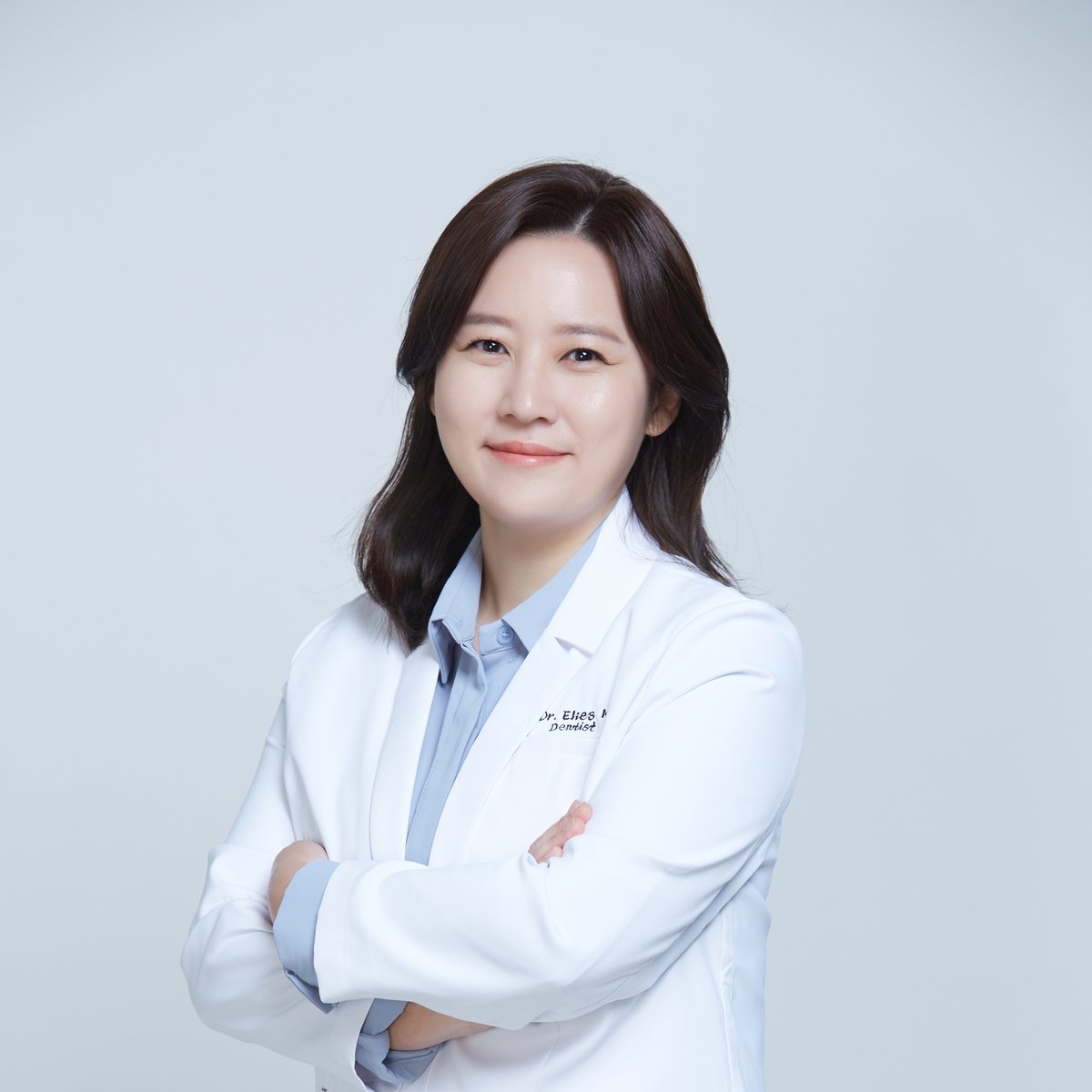
Written by Dr. Elies Kim, DDS — UCLA School of Dentistry (DDS), UC San Diego (MS). Junior faculty for implant seminars with Biotem and the Cando implant course.
Visit Goodday Dental Care
Comprehensive dental care at our Orange and Anaheim offices. New patients welcome.
Call Orange (657) 282-0078 Call Anaheim (714) 229-8553