
Senior Dental Care: What Changes After 60 and How to Protect Your Smile
Your sixties, seventies, and beyond can be some of the most fulfilling decades of your life — but they come with a set of dental challenges most people don't hear about until they're already underway. The good news? Most of them are very manageable when you know what to look for.
Here's what changes in your mouth as you age, and what our team at Goodday Dental Care — with offices in both Orange and Anaheim — recommends to keep your smile healthy for the long haul.
Why Teeth Change as We Age
Aging itself doesn't destroy teeth. What causes damage is the accumulation of decades of use, medication side effects, and gradual biological changes — many of which happen quietly and without obvious symptoms.
By 60, your enamel has been through a lifetime of chewing, grinding, acids, and temperature swings. It's naturally thinner and more prone to cracking. Your gum line may have receded slightly, exposing root surfaces that weren't designed to handle the same acidic challenges as enamel. These aren't reasons to panic — they're reasons to get ahead of the curve.
The Biggest Oral Health Challenges After 60
Dry Mouth (Xerostomia)
This is the number one dental concern Dr. Elies Kim sees in patients over 60. Dry mouth isn't just uncomfortable — it's genuinely harmful to your teeth. Saliva is your mouth's natural defense system: it neutralizes acid, washes away bacteria, and helps remineralize enamel. When saliva production drops, decay accelerates significantly.
The culprit is almost always medication. Blood pressure drugs, antihistamines, antidepressants, and diuretics all list dry mouth as a side effect. If you're taking three or more medications — common over 60 — the risk compounds.
What to do: Sip water throughout the day, ask about dry mouth rinses like Biotène, and chew xylitol gum. Most importantly, tell your dentist exactly what medications you're on. It shapes their entire treatment approach.
Root Surface Decay
When gums recede over the decades, the root surfaces of your teeth become exposed. Root cementum — the material covering roots — is much softer than enamel and decays several times faster. You can develop a cavity in months where it would have taken years on an enamel surface.
Root decay often starts between teeth or in grooves that are hard to clean even with perfect technique. More frequent professional cleanings and fluoride varnish applications can significantly slow this process.
Gum Disease and Bone Loss
Periodontal disease is more prevalent after 60, partly because of dry mouth, partly because of decades of low-grade inflammation, and partly because systemic conditions like diabetes increase susceptibility. Once jawbone loss begins, it doesn't reverse — which is why early intervention matters so much.
Signs to watch: bleeding when you brush or floss, gum recession, teeth that feel loose or have shifted, or persistent bad breath.
Worn Enamel and Cracked Teeth
Decades of chewing, clenching, or past teeth grinding leaves enamel worn thin. Cracked tooth syndrome — where a tooth has a fracture invisible on X-ray — is more common over 60 and causes sharp, inconsistent pain when biting. If you're experiencing pain that comes and goes without an obvious cavity, mention it at your next checkup.
How Often Should Seniors See a Dentist?
Most adults do well with a cleaning and exam every six months. But if you have dry mouth, active gum disease, or multiple restorations, Dr. Elies Kim may recommend visits every three to four months. This isn't about generating more appointments — it's about catching root surface decay and gum changes before they require major intervention.
Dental Insurance Over 60: What to Know
Medicare Part A and B generally do not cover routine dental care — a surprise to many patients. Some Medicare Advantage plans include limited dental benefits, and Medi-Cal covers emergency dental for eligible adults. If you're navigating coverage gaps, our team at either our Orange or Anaheim office can walk you through what your plan includes and help prioritize the most protective treatments first.
Practical Tips for Patients Over 60
- Use a soft-bristled toothbrush — medium and firm bristles accelerate gum recession on already-exposed root surfaces.
- Apply fluoride toothpaste directly to exposed roots — brush gently, and don't rinse immediately after so the fluoride can work.
- Wear a nightguard if you clench or grind — even occasional grinding does real cumulative damage over months.
- Stay consistently hydrated — especially important if you're on dry-mouth-causing medications.
- Ask about prescription fluoride — higher-concentration fluoride gel can be applied at home for patients at elevated decay risk.
- Update your dentist on every medication change — a new prescription can shift your cavity risk profile almost overnight.
Senior Dental Care at Goodday Dental Care
Dr. Elies Kim takes a whole-health approach to senior care — your systemic health, medications, and long-term goals all factor into your treatment plan. We see patients of all ages at both our Orange office (1518 E Lincoln Ave, (657) 282-0078) and our Anaheim office (2795 W Lincoln Ave Ste D, (714) 229-8553).
If it's been more than a year since your last dental visit — or if you're noticing dry mouth, sensitivity, or gum changes — now is a great time to schedule. Both offices welcome new patients, and our team speaks English, Spanish, and Korean.
Ready to protect your smile for the decades ahead? Call our Orange office at (657) 282-0078 or our Anaheim office at (714) 229-8553 to schedule, or visit gooddaydentalcare.com to request an appointment online.
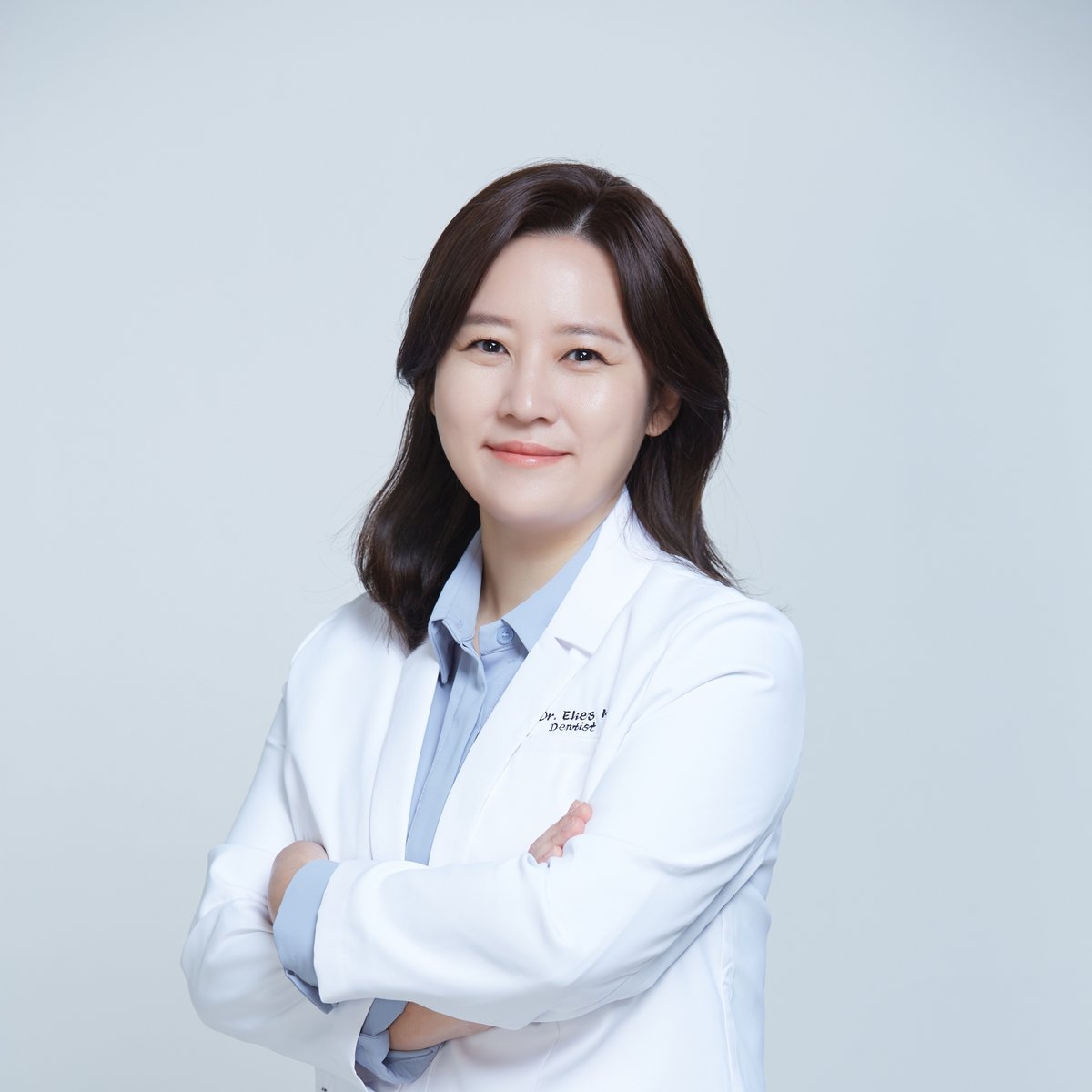
Written by Dr. Elies Kim, DDS — UCLA School of Dentistry (DDS), UC San Diego (MS). Junior faculty for implant seminars with Biotem and the Cando implant course.
Visit Goodday Dental Care
Comprehensive dental care at our Orange and Anaheim offices. New patients welcome.
Call Orange (657) 282-0078 Call Anaheim (714) 229-8553