
If you're wearing dentures right now, you already made one of the best decisions of your life — you chose to restore your smile rather than live with missing teeth. But a question that comes up often in our Orange and Anaheim offices is: Can I switch from dentures to dental implants? And should I?
The answer is yes — and for many patients, this transition changes everything.
Why Denture Wearers Start Looking at Implants
Modern dentures have come a long way. They fit better, look more natural, and last longer than ever before. But they still have real limitations, which is why a growing number of patients explore dental implants as a more permanent alternative.
The most common reasons patients make the switch:
- Slipping and clicking — even well-fitted dentures can shift during meals or conversation
- Food restrictions — many denture wearers permanently avoid hard, chewy, or crunchy foods
- Progressive bone loss — dentures rest on your gums but don't stimulate the jawbone; over time, the jaw can shrink and the fit gets worse
- Adhesive fatigue — applying and removing denture adhesive every single day gets old, fast
- Confidence — many patients simply don't feel as secure, even with a great-fitting denture
None of this means your current dentures have failed. It means you might be ready for a bone-anchored, long-term solution.
What "Switching" Actually Means
Transitioning from dentures to dental implants is not a single appointment — it's a process, and the path depends on how many teeth you're replacing and the current health of your jawbone.
Option 1: Individual Implants (for Partial Denture Wearers)
If you wear a partial denture, you may be a strong candidate to replace specific missing teeth with individual dental implants. Each implant is a small titanium post placed into the jawbone that acts as an artificial tooth root; a natural-looking crown goes on top. The result looks, feels, and functions like a real tooth — no clasps, no removal, no adhesive.
Option 2: Implant-Supported Overdenture (Snap-On Denture)
For full denture wearers, an implant-supported overdenture is often the ideal first step. Rather than sitting loosely on your gums, the overdenture snaps onto two to four implants for a secure hold. You still remove it at night for cleaning, but during the day it doesn't slip, requires no adhesive, and gives you back the ability to eat most foods.
Option 3: All-on-4 or Full-Arch Fixed Implants
The most comprehensive solution: a full arch of fixed teeth supported by four to six strategically placed implants. Unlike an overdenture, this prosthetic is not removed daily — it's brushed like natural teeth. Patients who choose this path frequently call it the most significant upgrade of their adult lives.
The Essential First Step: Consultation and CBCT Scan
Before any implant placement, your dentist needs a precise picture of your current bone volume. Years of wearing dentures typically mean some degree of bone resorption has already occurred — the question is how much.
At Goodday Dental Care, we use CBCT 3D imaging (cone beam computed tomography) to evaluate bone density and volume in detail that a flat X-ray simply can't provide. A standard film shows whether bone is present; a CBCT scan shows exactly how much, in three dimensions, and allows Dr. Elies Kim to plan implant positioning with millimeter-level accuracy.
This is also where the bone grafting question comes in. Some patients who have worn dentures for years will need a bone graft before implants can be placed; others have sufficient bone to proceed directly. You won't know which applies to you until a proper scan is done. For a deeper look at when bone grafting is required — and when it isn't — see our bone grafting guide.
A Realistic Timeline
Here's what a full-arch transition from dentures to implants typically looks like:
- Consultation + CBCT scan — evaluation, imaging, and individualized treatment plan
- Bone grafting if needed — healing typically takes three to six months
- Implant placement surgery — outpatient, usually under local anesthesia; you go home the same day
- Osseointegration period — three to six months for the implants to fuse with your bone; a temporary restoration keeps you functional throughout
- Final restoration — your permanent crown, snap-on overdenture, or fixed arch is delivered
Total timelines range from roughly six months for straightforward cases to 12–18 months when bone grafting is needed — a commitment, but a one-time one for a lifetime solution.
Are You a Good Candidate?
Most adults in good general health are candidates for dental implants. Key factors Dr. Kim evaluates at your consultation:
- Bone volume — assessed by CBCT; insufficient bone can often be addressed with grafting
- Gum health — active periodontal disease needs treatment before implant placement
- Medical conditions — well-managed diabetes, high blood pressure, or osteoporosis typically don't disqualify you, though they require coordinated planning
- Smoking status — smoking significantly increases implant failure risk; Dr. Kim will address this honestly with every patient
Age alone is rarely a barrier. Patients in their 70s and 80s regularly make this transition at Goodday Dental Care.
A Note on Cost
Implants cost more upfront than dentures. But when you factor in lifetime replacement dentures, periodic relines, adhesives, and the downstream costs of bone loss — many patients find implants the smarter long-term investment. Our team will walk you through realistic estimates and what your plan may cover.
Ready to Explore Your Options?
If you're tired of the adhesive routine and want a clear picture of what's genuinely possible for your situation, a consultation is the right place to start — no commitment, no pressure.
Dr. Elies Kim sees patients at both our Orange office (657-282-0078) and our Anaheim office (714-229-8553). New patients are always welcome at either location. Schedule a consultation, get the CBCT scan, and leave with a real answer.
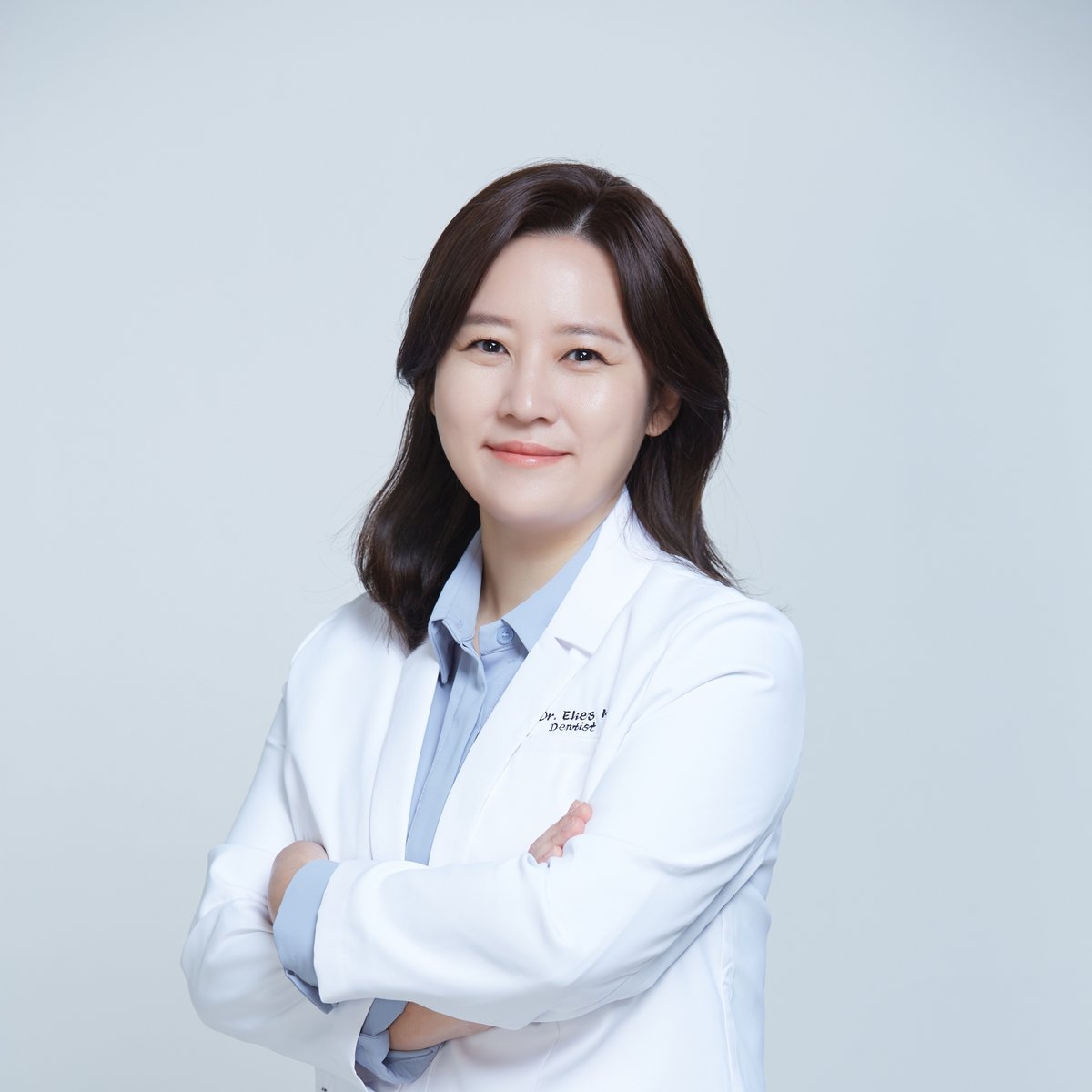
Written by Dr. Elies Kim, DDS — UCLA School of Dentistry (DDS), UC San Diego (MS). Junior faculty for implant seminars with Biotem and the Cando implant course.
Visit Goodday Dental Care
Comprehensive dental care at our Orange and Anaheim offices. New patients welcome.
Call Orange (657) 282-0078 Call Anaheim (714) 229-8553