
If your dentist has mentioned dental implants and your first thought was "Am I too old for that?" — you're not alone. It's one of the most common concerns Dr. Elies Kim hears from patients in their 60s, 70s, and 80s at our Orange and Anaheim offices. The short answer: age itself is rarely a disqualifier for dental implants. What actually matters is bone health, overall medical status, and a few factors we can evaluate precisely.
Here's an honest, complete guide for older adults in Orange County weighing dental implants.
Why Seniors Can Be Excellent Implant Candidates
Dental implants don't have an age ceiling. The titanium post that integrates with your jawbone responds to bone volume and density — not your birth year. In fact, many older adults are outstanding candidates for dental implants in Orange County because they've carefully weighed their options, understand the long-term value of a fixed tooth over adjustable dentures, and tend to follow aftercare instructions more consistently than younger patients.
The real question isn't "How old are you?" — it's "Is your bone strong enough, and is your overall health stable?" Those are answerable questions. Age is just a starting point.
What We Actually Evaluate — and Why CBCT Imaging Matters
Before planning any implant at Goodday Dental Care, Dr. Elies Kim uses CBCT (cone beam CT) 3D imaging to see exactly what's happening beneath your gumline. For older adults, this step is especially important:
- Bone volume decreases when a tooth has been missing for years — the jawbone slowly resorbs without a root to stimulate it
- Bone density can be affected by osteoporosis, certain medications, or systemic health conditions
- Sinus proximity (in the upper jaw) becomes a consideration after significant bone resorption over time
CBCT imaging gives us a precise, three-dimensional map of your bone before we make any decisions. A 2D panoramic X-ray simply doesn't show enough detail. If bone volume is insufficient, a bone graft may be recommended first — a step we cover in detail in our implant services guide.
Common Concerns Older Adults Raise — and Honest Answers
"I Have Osteoporosis. Can I Still Get Implants?"
Mild to moderate osteoporosis doesn't automatically rule out dental implants, but it does shape the planning. More importantly, if you take bisphosphonate medications — such as Fosamax, Boniva, or Prolia, prescribed for osteoporosis or cancer treatment — we need to know before any surgery. These medications affect how bone heals and require specific protocols to manage safely.
"Won't Healing Take Longer at My Age?"
Yes, typically it does. Osseointegration — the process by which your bone fuses to the implant — may take 4–6 months for older patients rather than the standard 3–4. That timeline is built into your treatment plan from day one. Slower healing isn't the same as unsuccessful healing; it simply requires patience and consistent aftercare.
"I Take Multiple Medications. Is That a Problem?"
Potentially, and it's something we review in detail during your consultation. Blood thinners, steroids, and bisphosphonates all affect healing in different ways. Some medications also cause dry mouth, which increases infection risk around healing implants. Bring a full medication list to your first appointment so we can plan accordingly.
When Implants Might Not Be the Right Fit
Honest guidance matters more than a treatment pitch. At Goodday Dental Care, we may suggest an alternative approach when:
- Bone loss is severe and you prefer not to undergo the multiple procedures needed to rebuild it
- Uncontrolled diabetes is present — blood sugar directly affects healing and osseointegration
- Active head or neck radiation or chemotherapy is ongoing
- Overall medical fragility makes surgery a greater risk than benefit
In these situations, implant-supported overdentures — a denture anchored onto two to four implants — often provide meaningful stability without requiring full implant placement for every missing tooth. It's a middle path worth discussing.
A Word on Medicare and Dental Implants
Original Medicare does not cover dental implants or most routine dental procedures. Some Medicare Advantage plans include dental benefits, but coverage for implants varies significantly and is rarely comprehensive.
If insurance is a major factor in your decision, our guide on dental coverage after 65 walks through Medicare Advantage dental options, PPO plans, and the right questions to ask your plan administrator. Our team at both the Orange and Anaheim offices can help verify your specific benefits before you commit to any treatment.
What the Process Looks Like for a Senior Patient
For a typical older adult at Goodday Dental Care, treatment unfolds in these stages:
- Consultation and CBCT scan — full bone evaluation and health history review
- Treatment planning — bone graft if needed, healing timeline adjusted for your age and health status
- Implant placement surgery — outpatient procedure under local anesthesia
- Healing period — 4–6 months for solid osseointegration
- Final crown placement — your permanent, natural-looking restored tooth
At each stage, you'll know exactly what's coming next. No surprises.
Take the First Step
The only way to know whether dental implants in Orange County are right for you is a proper evaluation. Age is a data point — not a verdict.
Dr. Elies Kim sees patients at both Goodday Dental Care locations: our Orange office at 1518 E Lincoln Ave (657-282-0078) and our Anaheim office at 2795 W Lincoln Ave Ste D (714-229-8553). New patients are always welcome at both locations. If you've been putting off the implant conversation because you assumed you were too old, a 30-minute consultation will give you a real answer.
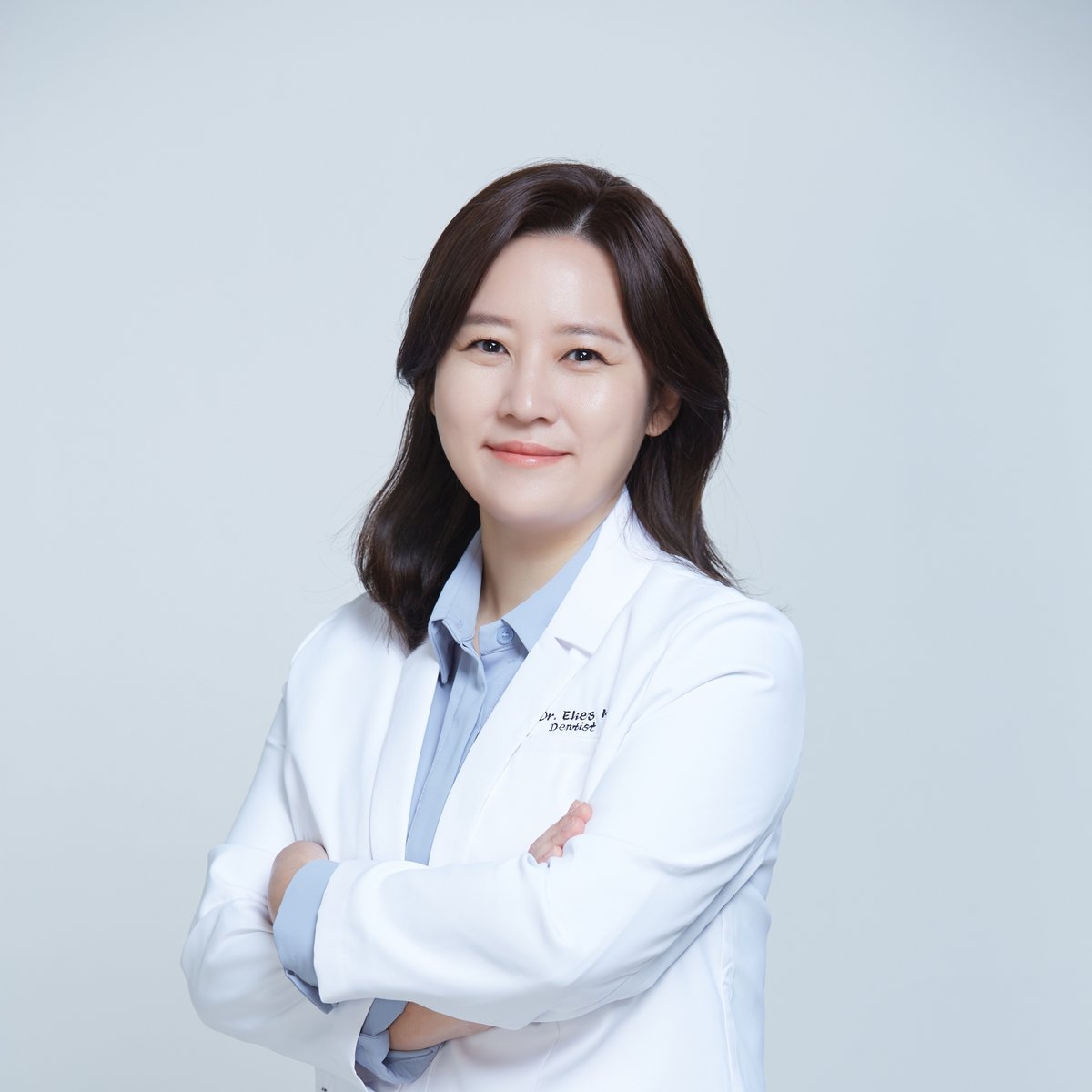
Written by Dr. Elies Kim, DDS — UCLA School of Dentistry (DDS), UC San Diego (MS). Junior faculty for implant seminars with Biotem and the Cando implant course.
Visit Goodday Dental Care
Comprehensive dental care at our Orange and Anaheim offices. New patients welcome.
Call Orange (657) 282-0078 Call Anaheim (714) 229-8553